La Mesa Home Tour 2026: Grossmont Colony & Mt. Helix Guide
October 15, 2026
October 15, 2026
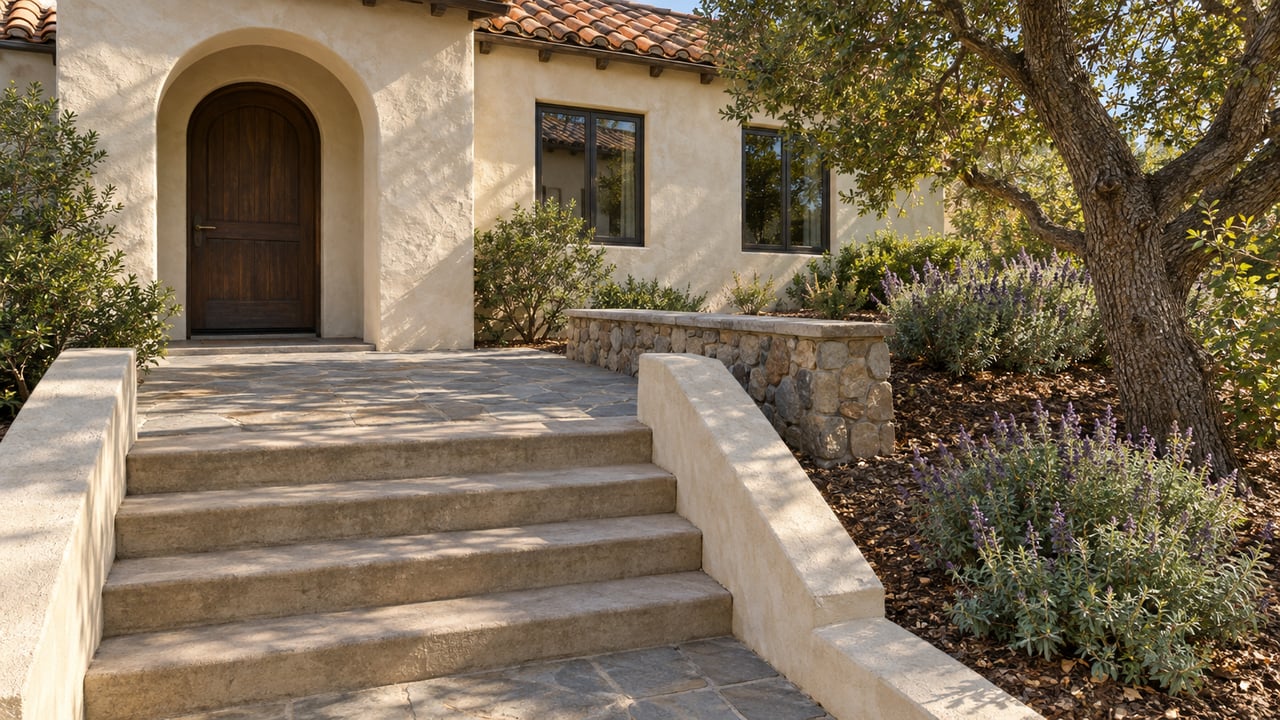
Why does a home tour need a shuttle center at a high school parking lot, a ban on personal cars, and a warning about long driveways and staircases? The answer goes back to 1913, when one narrow road was cut into a boulder-covered hill east of La Mesa. That road made Grossmont Colony possible. More than a century later, the same terrain decides how the La Mesa History Center's 20th Annual Home Tour, "Artists & Officers," will run on Saturday, Nov. 7.
The tour runs from 9 a.m. to 3 p.m. and features "classic homes, landscapes and artisanship in the Grossmont Colony and Mt. Helix communities," according to the La Mesa History Center. For anyone who went last year, the move is a big one.
The 2025 tour, "Golden Gems of La Mesa," was held Nov. 8. It covered homes and artwork in and around the Downtown Village, including a 1910 landmark by architect Irving J. Gill, as the San Diego Union-Tribune reported. Its shuttle center was the city's municipal parking lot at Allison and Date avenues, and tickets were $40.
This year the shuttle center moves to the Grossmont High School parking lot at 1100 Murray Drive in El Cajon, and the route climbs. The History Center explains why the buses are mandatory: "Due to narrow streets and minimal parking at the homes, no personal vehicles can be allowed on the Home Tour." The Village tour also used shuttles. On the hill, the streets themselves rule out any other way in.
The colony's history explains those streets. A 2010 Union-Tribune history column traces it to a chance meeting on a Yellowstone stagecoach between Ed Fletcher, a young San Diego produce salesman, and William B. Gross, a theatrical producer and actor from Philadelphia. Gross came to San Diego about 1903. Here is what followed, as the column tells it:
The column describes a "growing Grossmont artists' colony" filled with friends of Gross from the entertainment world. The History Center describes the original goal as "a rustic bohemian artist colony." The boulders, the chaparral, and the single winding road that made people call it a folly also gave it the seclusion the artists came for.
The 2026 tour is built around those early residents. The History Center names poet John Vance Chaney, concert violinist Beulah Lewis, painter Valencia Rafferty McCleave, and William B. Gross himself, whom it calls the "community namesake actor/theater agent." The 2010 Union-Tribune column spells the poet's name "Cheney," so both spellings show up in local histories.
The architecture comes from the same period. The tour includes the work of Emmor Brooke Weaver and Lillian Rice. The History Center's preview also names Mead and Requa and Del Harris, and it describes houses designed into "the Arts & Crafts inspired landscape of indoor-outdoor lifestyle." That design approach later shifted toward the revival styles popular between the two world wars.
The artisanship covers later decades too, with work by local artists and craftspeople James Hubbell, Wayne Chapman, Anne Meek, Lynn Reeves, and Mic Mead. Some of Hubbell's work stands elsewhere in La Mesa. The Ilan-Lael Foundation's guide lists pieces at Briercrest Park and in the Sharp Grossmont courtyard, where his Moving Circles Fountain stands. Those sites are separate from the tour route.
The other part of the title refers to the area's military history. Several homes on this year's route belonged to officers who were veterans of the Spanish-American War, World War I, and World War II and settled locally. The History Center's preview calls them "decorated veteran officers." San Diego's military community is connected to the La Mesa hills through more than one generation, and this tour puts that history inside actual homes rather than in a museum case.
The History Center had scheduled an Oct. 10 roundtable in which historian Jim Newland, author of Images of America: Around Mt. Helix and La Mesa, would preview the tour's history. That talk has been canceled. The Center says it hopes to reschedule and will refund tickets. Newland still appears on the calendar. He leads the Friday Night Pre-Tour and Reception on Nov. 6, from 5:30 to 9 p.m., which includes a guided tour of the properties and a chance to meet the homeowners.
The rules for the day follow the terrain the Union-Tribune described:
The long driveways and the no-car rule both come from that hillside layout, and this year's guests will see it on foot.
The History Center says the tour "has sold out for the last two years." Current prices from the ticket page:
| Ticket | History Center members | Non-members |
|---|---|---|
| Pre-event, Saturday tour | $40 | $50 |
| Day-of, Saturday tour | $50 | $60 |
| Friday Night Premium, Nov. 6, includes Saturday | $115 | $125 |
Last year a single $40 ticket price was listed. This year's structure gives members the lowest price and makes waiting until Saturday cost $10 more. Patron and Benefactor members receive two tour tickets with their annual membership.
The proceeds stay in La Mesa. Ticket and sponsorship revenue supports the History Center's educational programs, including the McKinney House Museum, its research archives, and its historic preservation work. The museum is at 8369 University Avenue in a house Rev. Henry A. McKinney built in 1908. It is furnished to reflect the years 1908 to 1920 and is open Saturdays from 1 to 4 p.m., except on holiday weekends. That makes it a natural follow-up visit on any later Saturday, after you've seen the hill.
The Village has its own fall schedule around the tour. The La Mesa Village Farmers Market returns Friday, Oct. 9, after skipping Oct. 2 for Oktoberfest, and runs Fridays from 3 to 7 p.m. on La Mesa Boulevard. Its newest section, the Market Nook, sits in the Walkway of the Stars breezeway and brings together local artisan makers and specialty retail and grocery vendors. On Nov. 6, the market's hours overlap with the start of the Friday Night Pre-Tour, so plan around both if you want to attend each. The La Mesa Village Association lists no market on Nov. 27.
The week after the tour, Park Appreciation Day is on the Village Association's calendar for Nov. 14. The Village also has a new Downtown District gateway sign at La Mesa Boulevard and Palm Avenue, which was completed with a ribbon-cutting on June 9, 2026. Times of San Diego reported that the sign was planned to span the boulevard.
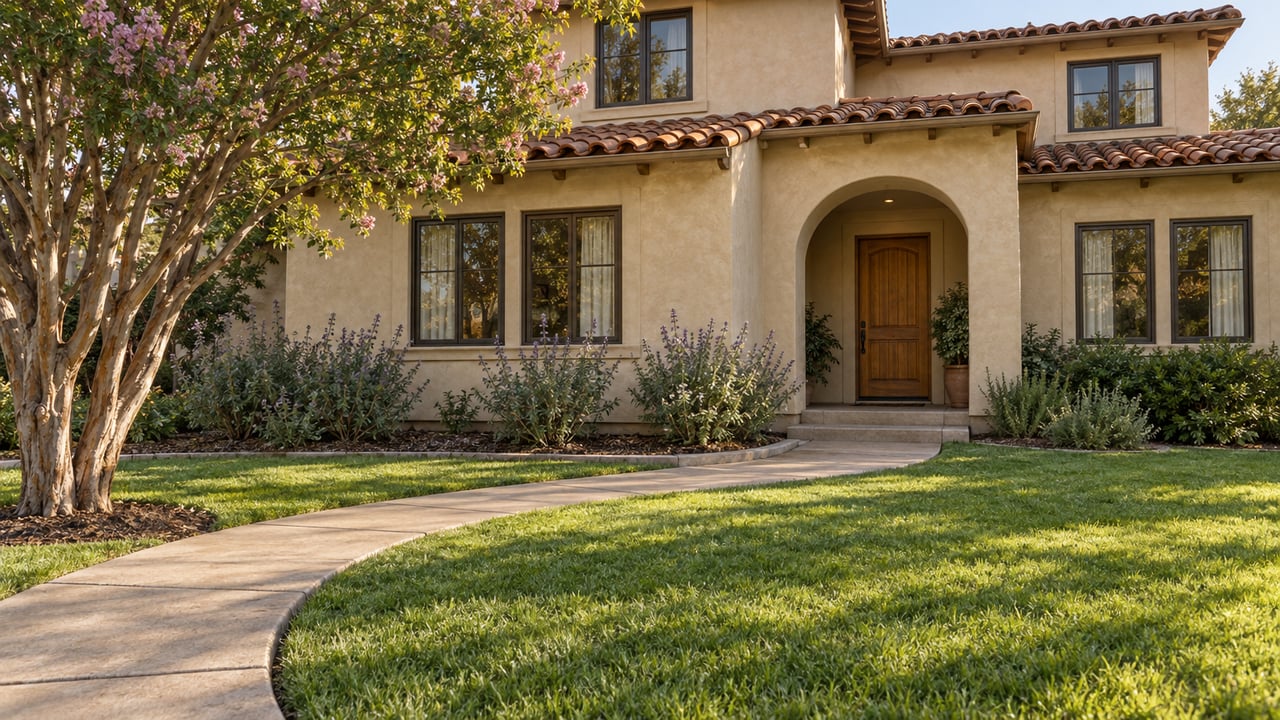
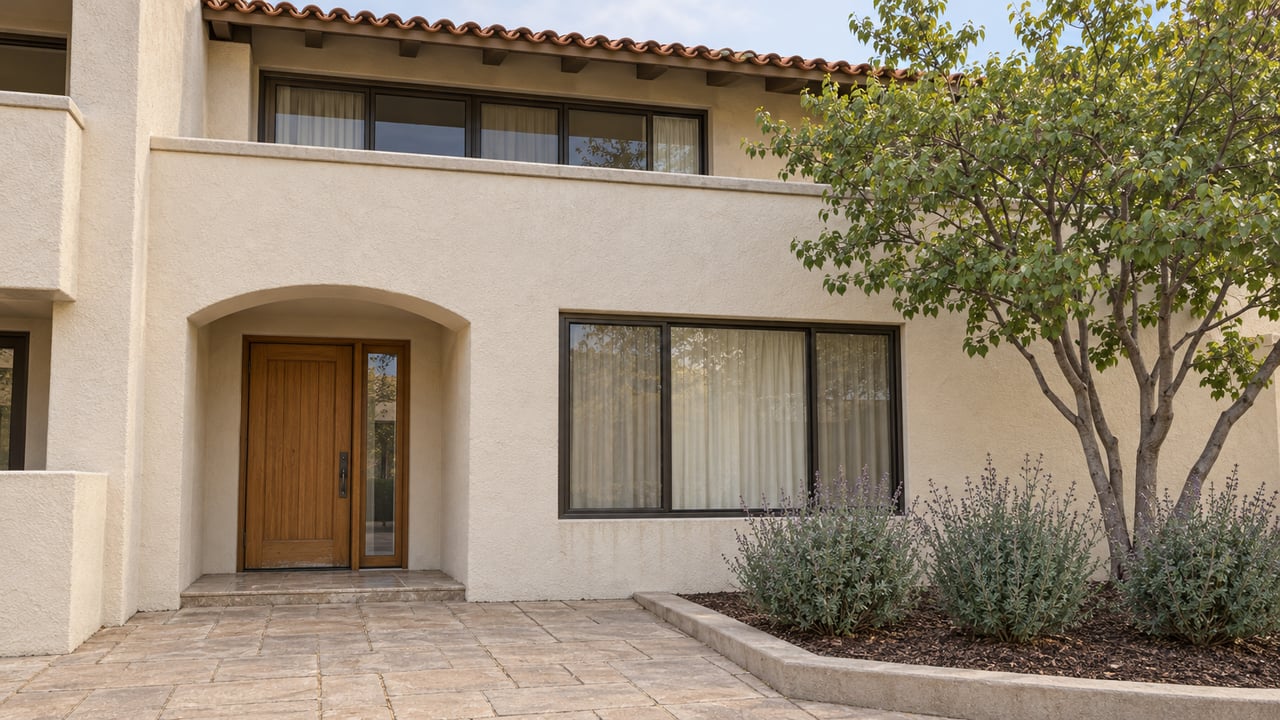
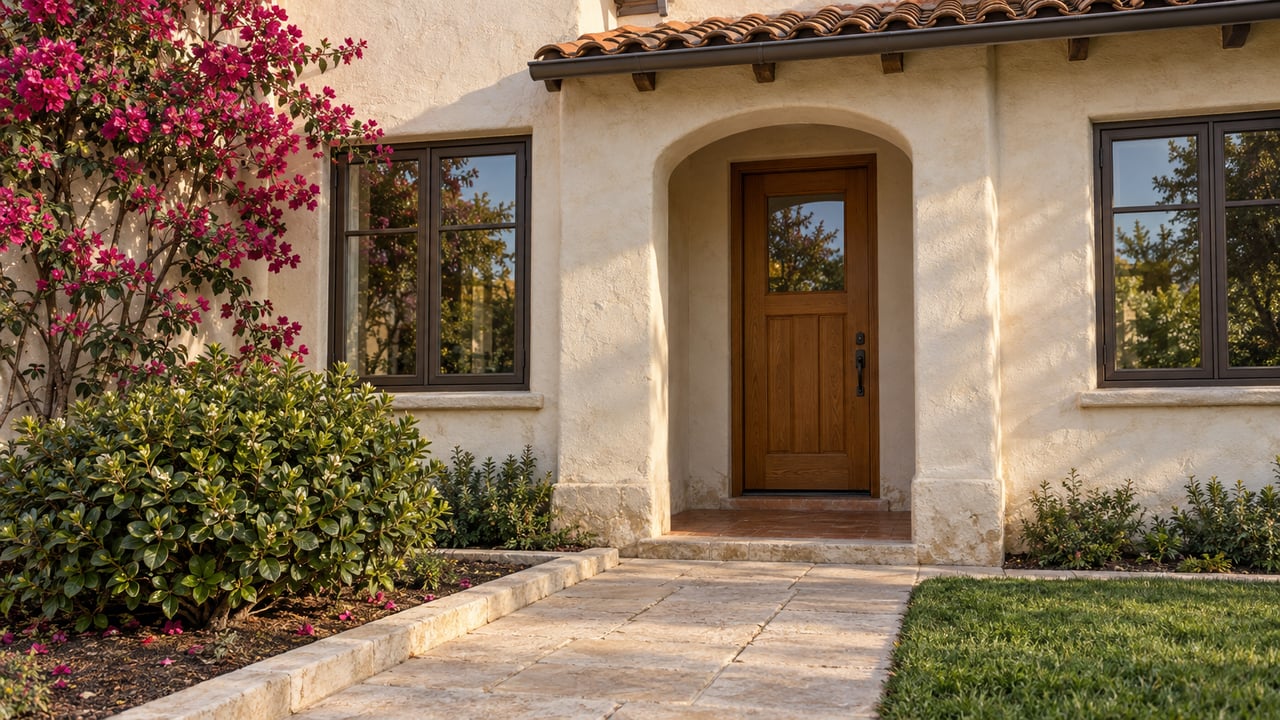
Grossmont's early-20th-century houses, from Arts and Crafts designs to revival styles, are a big part of what makes La Mesa's hills distinctive. If the tour leaves you with questions about how houses like these were built, or about the history behind a home near you, Mariko Tortolero is always glad to talk it through in English, Japanese, or Spanish. Let's Connect.
Stay up to date on the latest real estate trends.
Work with Mariko Sato Tortolero for expert guidance, bilingual support, and trusted local knowledge. She delivers personalized service, confident negotiations, and exceptional results every step.